







Search Results for: Pulse pouring
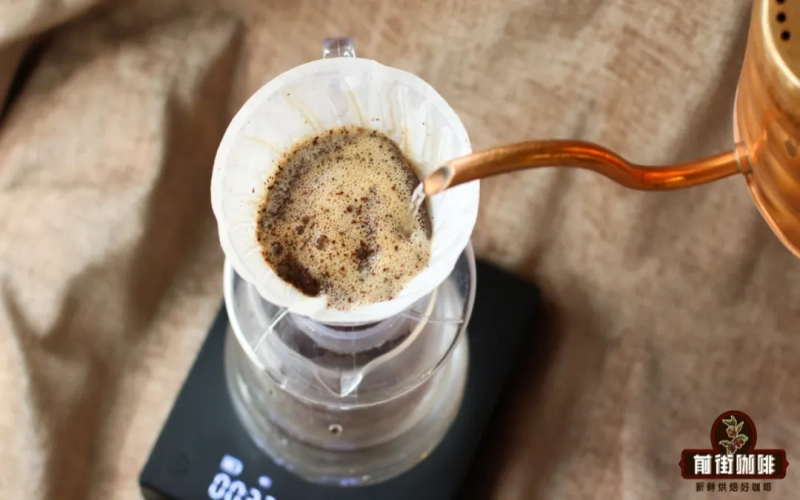
What Are the Principles and Advantages of Pulse Pouring in Pour-Over Coffee? A Full Analysis of Water Ratios and Flexible Adjustment Methods
In the practice of pour-over coffee, staged pouring is a widely used technique, yet the principles behind it and the scenarios in which it applies are often overlooked. Drawing on Front Street Coffee's brewing experience, this article systematically outlines the three major advantages of staged pouring: extending extraction time, improving extraction efficiency, and avoiding bypass water. At the same time, using concrete examples, the article explains how to flexibly adjust the number of pouring stages according to variables such as grind size, water temperature, coffee dose, and bean density. Whether you are a beginner just getting into pour-over or an enthusiast hoping to refine your technique, you can gain practical reference ideas from it to make each cup of coffee's flavor expression more stable and fuller. [more…]
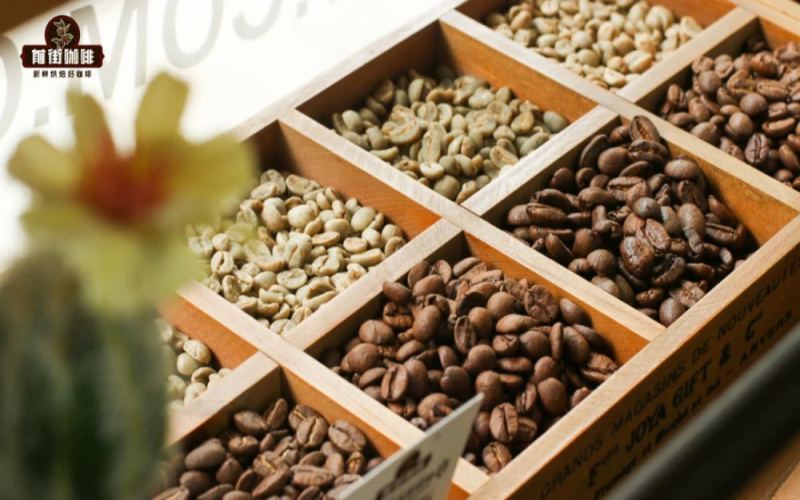
The Art of Over-Extraction and Pulse Pouring in Pour-Over Coffee, Plus a Look at the Origin Flavors of Yirgacheffe and Huakui
What exactly does over-extraction mean in pour-over coffee? And can pulse pouring make coffee taste better? This article starts from two classic Ethiopian regions, first introducing the clean floral notes of washed Yirgacheffe and the berry-cream profile of natural Sidamo, then delving into the naming origins of Huakui coffee, its version evolution, and the independent story of Small-Bean Huakui. The article also includes Front Street Coffee's bean list information and specific brewing parameters, including practical suggestions such as the V60 dripper, 91°C water temperature, and three-pour technique, helping coffee enthusiasts understand regional flavors while mastering a more consistent pour-over approach. [more…]

Complete Iced Pour-Over Coffee Guide: Using Golden Mandheling as an Example to Analyze the Extraction Points for Sweet Aftertaste and Lingering Finish
On a scorching hot afternoon, a glass of iced pour-over is undoubtedly a refreshing pick-me-up. But when iced brewing is done with dark-roasted beans, the rapid cooling and excessive dilution often make it bitter and watery. This article takes Front Street PWN Golden Mandheling, the darkest roast, as an example to break down how to avoid smoky, burnt, and astringent flavors through low water temperature, a slow-flow filter, coarse grinding, and staged pouring, extracting the sweet aromas of chocolate, maple syrup, and nuts, and ultimately achieving an iced coffee that is creamy and smooth with a caramel and cedar finish. From bean selection and parameters to the five-pour rhythm and the 1:10:5 coffee-to-water-to-ice ratio, the steps are complete and suitable for recreating at home. [more…]
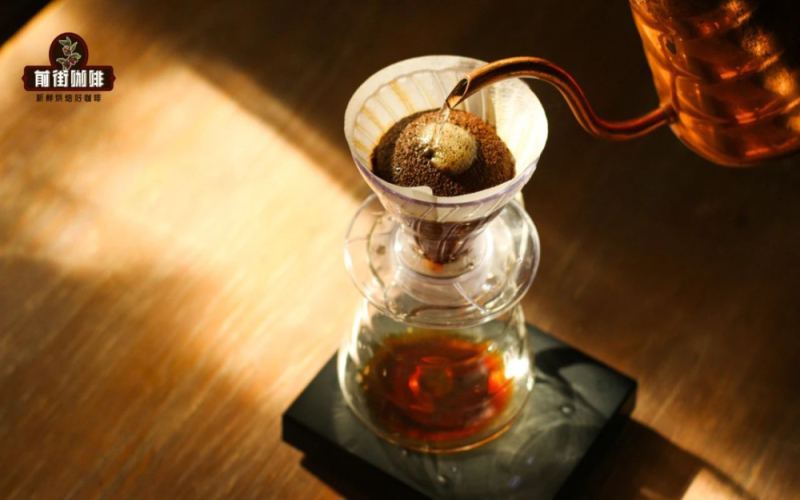
The Complete Guide to Drip Bag Coffee Brewing: Explaining Coffee-to-Water Ratio, Pulse Pouring, and Fixes for Under-Extraction
Drip bag coffee has become the daily drink of choice for many coffee lovers thanks to its convenience and portability. Yet this seemingly simple brewing process often suffers from too-fast flow, leading to under-extraction and a thin, flavorless cup. Drawing on the hands-on experience of Front Street Coffee, this article takes a deep look at the key factors affecting flow rate—such as the filter bag structure and the dose of coffee used—and offers a practical staged pouring method. By splitting the total water into several pours, narrowing the stream, and extending the extraction time, even beginners can brew a drip bag coffee with suitable strength and full flavor. The article also includes a selection of Front Street single-origin recommendations for those who want to improve their brewing. [more…]
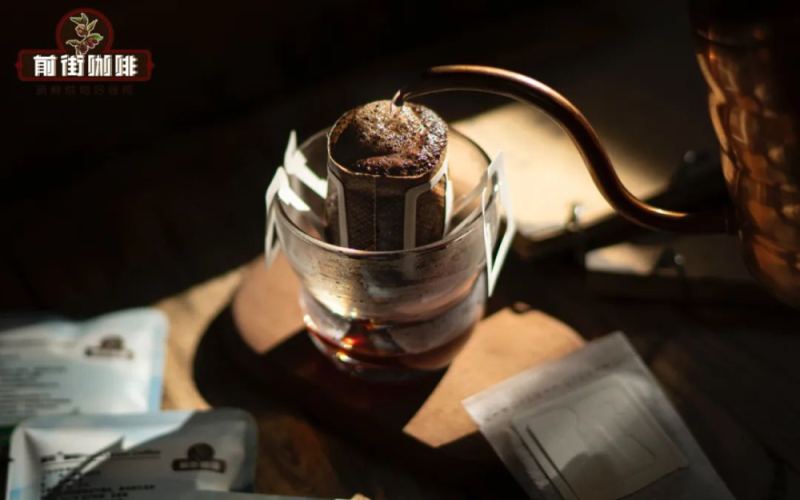
Drip Bag Coffee Brewing Tips: Water Temperature, Coffee-to-Water Ratio, and Pulse Pouring for Easy Nutty, Caramel-Flavored Good Coffee
Drip bag coffee has become a daily choice for many coffee lovers thanks to its convenience—just add water and it's ready to enjoy. However, achieving a good flavor still requires mastering a few key details. This article systematically explains how to get a decent cup of drip bag coffee in the simplest way, covering everything from choosing the roast level, controlling water temperature, cup capacity, and coffee-to-water ratio to segmented pouring techniques. It also offers purchasing suggestions for Front Street Coffee's drip bag products based on the floral and fruity notes of medium-light roasts versus the nutty and caramel flavors of medium-dark roasts, helping you consistently reproduce a cup of good coffee that isn't bitter and has a suitable strength even when you're busy. [more…]
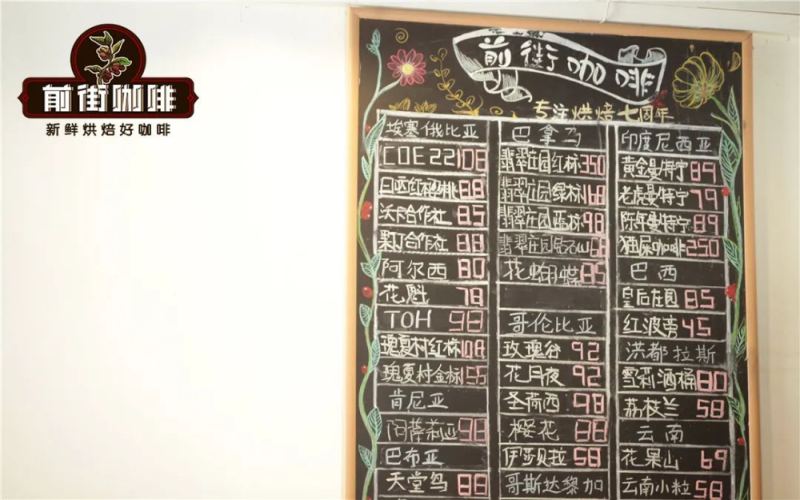
Front Street Golden Mandheling Pour-Over Parameters Explained: A Practical Guide to Grind Size, Water Temperature, Dripper, and Three-Pour Technique
Front Street Golden Mandheling is a bean on the Front Street menu with quite prominent body and bitterness, often recommended to customers who prefer strong, bitter coffee. When brewing it as pour-over, questions about parameters always come up the most. In this article, Front Street will start by discussing the origins of the Mandheling flavor, then break down the key pour-over details of Front Street Golden Mandheling one by one—grind size, water temperature, dripper choice, and staged pouring—to help everyone brew this bean into the Mandheling style it deserves. [more…]
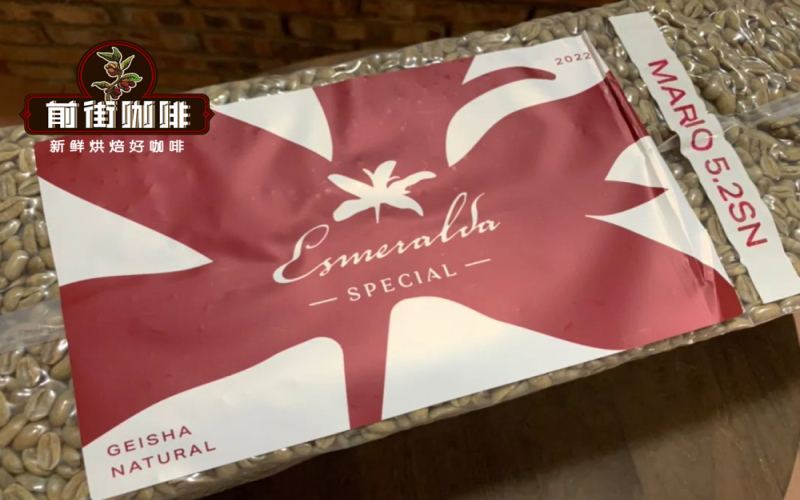
Front Street Coffee Emerald Red Label Geisha Pour-Over Full Analysis: Medium-Fine Grind Parameters, Pulse Extraction, and Iced Pour-Over Method
Geisha coffee has always been celebrated for its richly layered flavors and elegant fruit acidity, and Hacienda La Esmeralda's Red Label Geisha is the finest representation of them all. This article focuses on Front Street's Emerald Red Label Geisha, first introducing Hacienda La Esmeralda's grading system and the story behind Red Label Geisha, then breaking down a complete set of pour-over parameters in detail, including dripper selection, water temperature, coffee-to-water ratio, grind standard, and the three-stage pouring rhythm. After that, it shares a specific method for making iced pour-over with the same bean, explaining everything from ice quantity and grind size to pouring technique, helping you consistently brew a cup of Geisha coffee with floral notes, citrus, and a tea-like body at home. [more…]

Four Methods for Adjusting Pour-Over Coffee Flow Rate: Pulse Pouring, Water Flow Control, Changing Filters and Drippers, and a Front Street Brewing Example
In the extraction process of pour-over coffee, grind size is often regarded as the primary means of adjusting flow rate, but in reality there are several other operational methods that can change the speed at which coffee liquid drips through. Front Street Coffee will share four practical methods: staged pouring, controlling water flow rate, changing the filter paper, and changing the dripper, and will explain in detail how the designs of different drippers affect flow rate. The article also combines Front Street Granja Geisha and PWN Golden Mandheling beans to provide specific brewing parameters for the V60 and Kono drippers, helping coffee enthusiasts flexibly adjust extraction time while keeping other variables fixed, so as to achieve the ideal flavor. [more…]
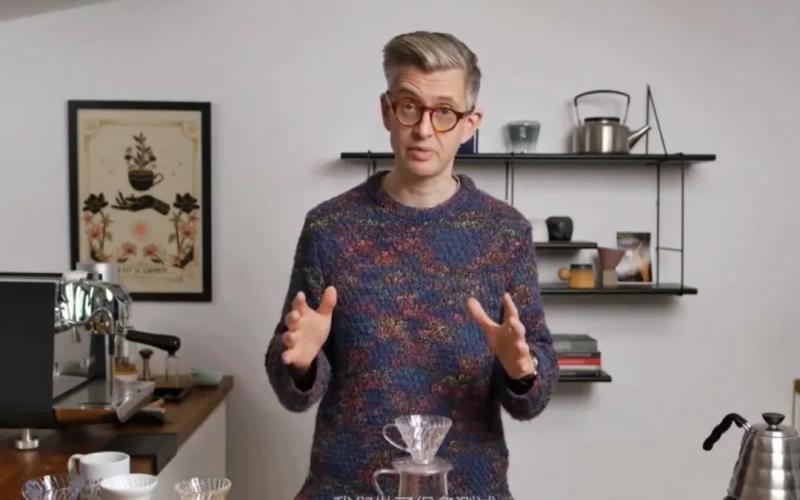
Hoffmann V60 Five-Pour Method Explained: A Practical Guide to Rao Spin with Pulse Pouring
James Hoffmann shared a brewing method on his personal channel that netizens have hailed as the ultimate V60 solution, the core of which lies in dividing the total water volume into five equal pours and introducing Rao-style shaking at the first and last pours. After repeated testing, Front Street Coffee confirmed that this method delivers outstanding results. This article will provide a complete breakdown from principle and parameters to operating steps, including grind size selection, water temperature setting, the pouring rhythm for each stage, and two details that are easy to get wrong in actual practice. The article also records Front Street Coffee's brewing performance using Costa Rica Mirazu Strawberry Candy, and both the final extraction yield and flavor presentation were satisfying. [more…]
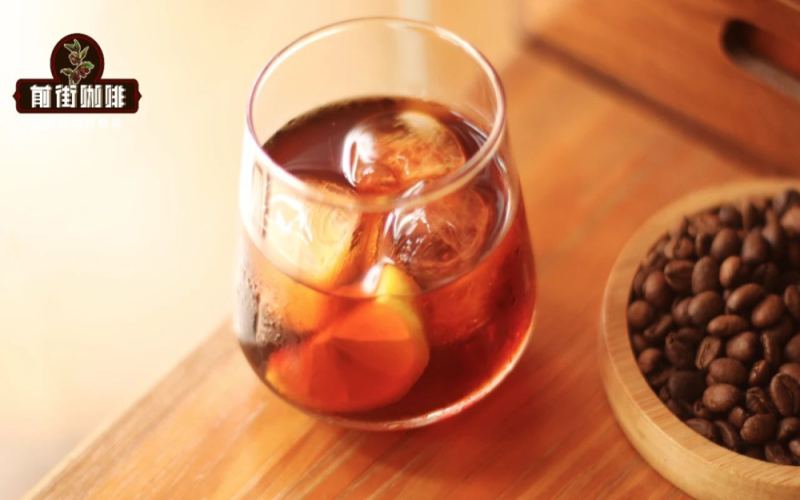
Iced Pour-Over Coffee Brewing Guide: Water-to-Coffee Ratio Formula and Detailed Pulse Pouring Techniques
On a hot summer day, a cup of refreshing iced pour-over coffee that doesn't compromise on flavor is a favorite among many coffee lovers. But to make iced pour-over present a fruity, sweet-and-tart layered complexity, the key lies in mastering the correct ratio of coffee grounds, water, and ice, as well as the extraction technique. This article focuses on the universal iced pour-over formula summarized by Front Street—coffee grounds paired with 10 times hot water and 5 times ice—breaking down in detail the complete workflow from grind adjustment and three-stage pouring to one-pour iced pour-over, and explaining why, once the amount of hot water poured is reduced, the grind must be made finer to compensate for extraction time, helping you easily make a cup of iced pour-over with both the right strength and flavor. [more…]

How can coffee reveal rich layers in the mouth? A complete approach from bean selection to brewing
Many coffee enthusiasts hope that the coffee they brew is not just a single flavor, but can present changes and rich sensations in the mouth—this is what is called layering. How exactly is layering defined? It is reflected both in the evolution of sweet, sour, bitter, and salty tastes and in whether the flavors are clearly distinguishable. To get a cup of coffee with rich layering, you need to start from multiple steps: bean selection, processing method, retention of fines, adjustment of the coffee-to-water ratio, and pouring method. This article will systematically sort out the key points for brewing layering, from conceptual understanding to practical methods, to help you adjust parameters with more direction in daily brewing, making the coffee's flavor expression more three-dimensional and clearer. [more…]
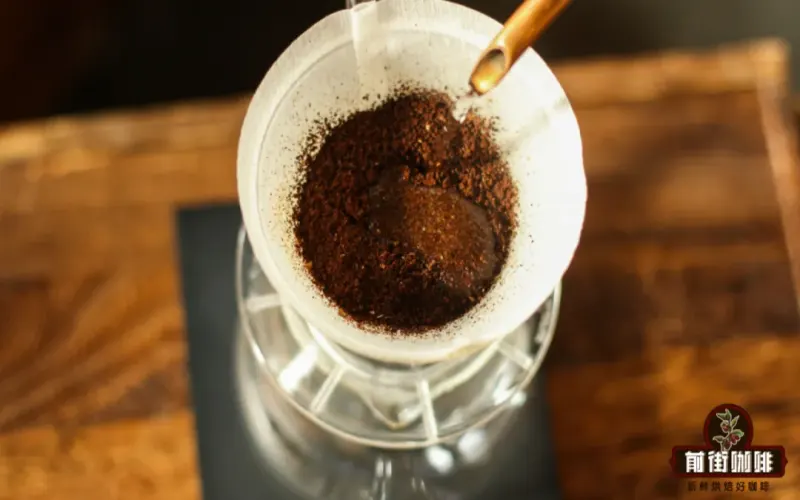
A Complete Analysis of Pour-Over Coffee Pouring Methods: The Practical Impact of Stages, Height, and Circular vs. Center Pouring on Extraction Yield
The biggest difference between pour-over coffee and other extraction methods is that the entire brewing process relies on manual pouring. Pouring water serves both to create turbulence and speed up the dissolution of flavor compounds, and to allow coffee grounds in different positions to be extracted relatively evenly. Precisely because it depends on human operation, any subtle change during the pouring stage can directly affect the final extraction yield. Front Street often says that about 30% of the substances in coffee beans are soluble, but not all of them need to be extracted. According to the Golden Cup extraction theory, 18%–22% is the extraction yield range generally accepted by most people. To stay reliably within this range, in addition to choosing parameters with a high margin for error, understanding the principles behind pouring is equally crucial. From Front Street's perspective, this article focuses on three variables—staged pouring, pouring height, and circling versus stationary pouring—and breaks down how they affect the extraction yield, helping you understand why you should pour this way and how to adjust. [more…]
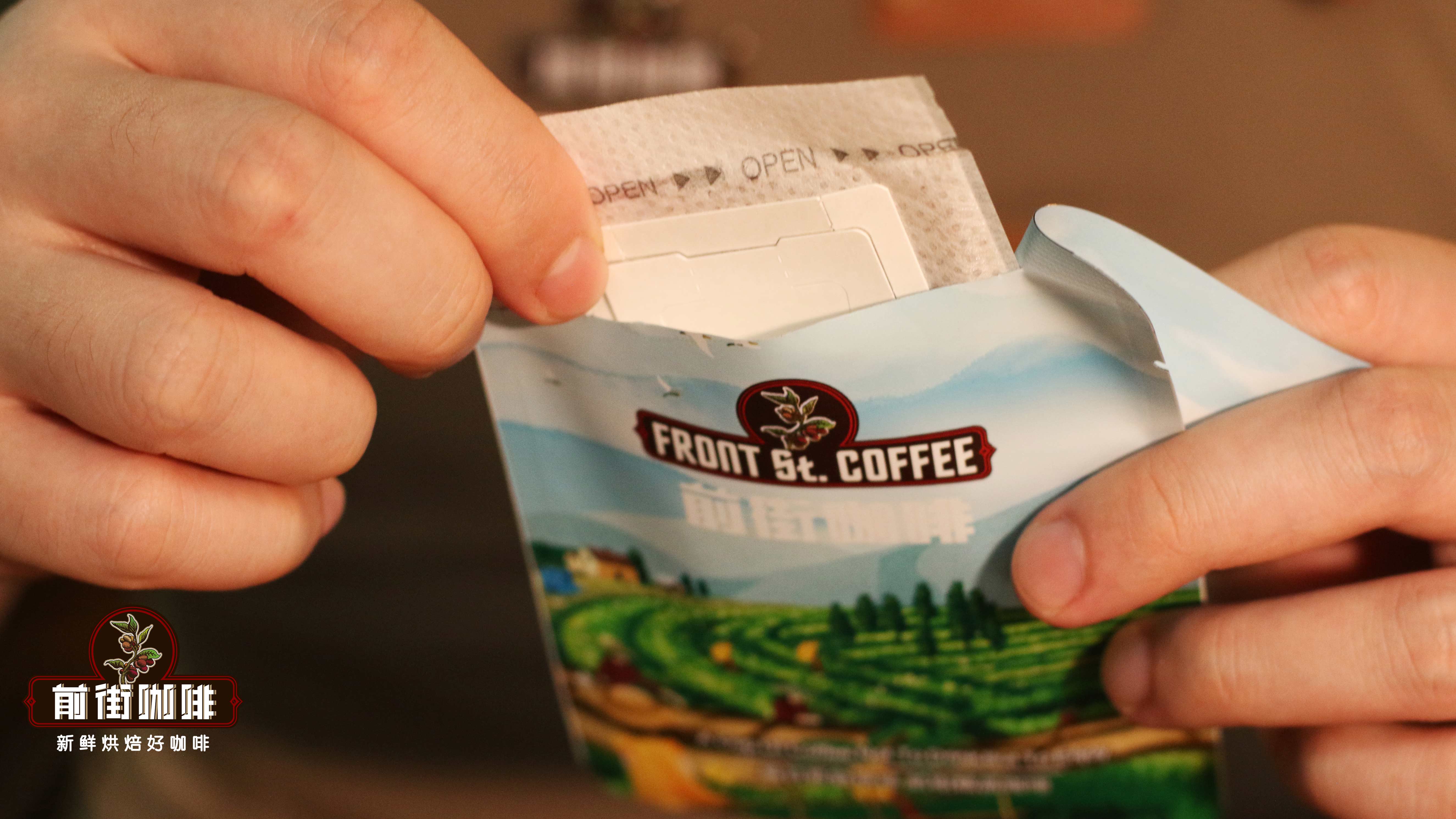
Drip Bag Coffee Practical Guide: A Complete Tutorial on Coffee-to-Water Ratio, Water Temperature Control, and Pulse Pouring
Drip bag coffee looks simple, but to brew a good flavor, the coffee-to-water ratio, water temperature, and pouring rhythm are all indispensable. Starting from a standard 10-gram dose, this article breaks down in detail the 1:15 to 1:16 brewing ratio, how to achieve a water temperature of 90°C, and key steps such as blooming, staged pouring, and total time control, teaching you step by step how to consistently recreate a cup of aromatic, full-bodied drip bag coffee. In addition, the article shares two key points for choosing specialty drip bags—freshness and flavor diversity—and introduces several representative products from the Front Street Coffee self-selected origin series, for coffee lovers with different taste preferences to reference. [more…]
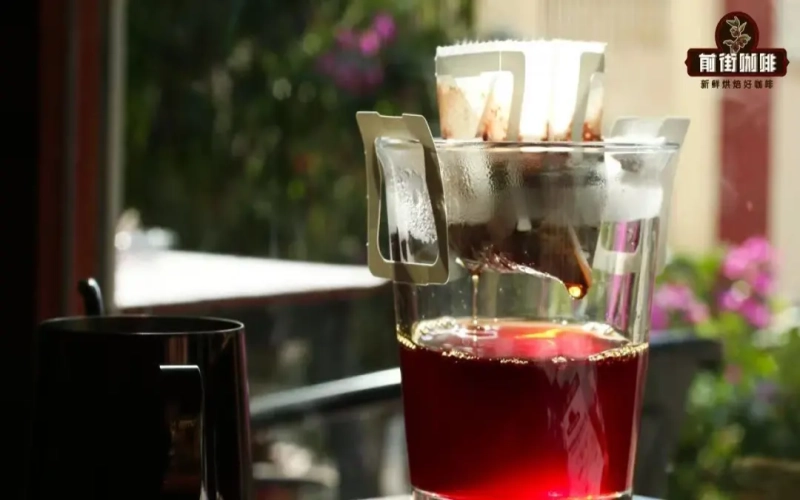
Can Office Water Cooler Temperature Brew Drip Bag Coffee? A Detailed Guide to the Pulse Pouring Method for Better Extraction
Brewing drip bag coffee with a water dispenser in the office is a common choice for many office workers who want both convenience and quality. But many people find that coffee brewed this way lacks aroma and tastes thin. The problem is likely the water temperature—water dispenser hot water is usually only 85°C to 90°C, which is not high enough for light-roasted coffee. Starting from the practical brewing of Front Street drip bag coffee, this article analyzes the impact of insufficient water temperature on extraction and proposes a solution that requires no change of equipment: extending extraction time by pouring water in multiple stages, thereby compensating for the lack of water temperature. The article also uses the medium-light roasted Front Street Ethiopia Huakui drip bag as an example, sharing detailed brewing parameters and operating steps to help you consistently brew a full-flavored cup of good coffee even in the office. [more…]
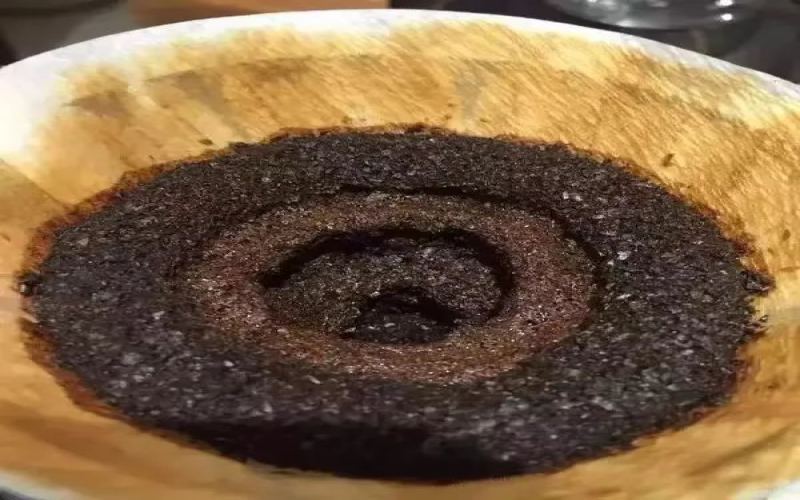
Meteor Pour-Over Method Explained: Hand-Brew Techniques and Parameters for Dark-Roasted, Intense, Bitter Coffee Beans
Deep-roasted coffee beans, due to their fluffy texture and strong water absorption, release a large amount of gas when they come into contact with water in their fresh state, which provides the conditions for a unique brewing method—meteor pour. This article provides a detailed introduction to the principles and operational steps of this pour-over technique, including key parameters such as grind size, water temperature, and coffee-to-water ratio, as well as the pouring details of the three stages: blooming, point pouring, and outward spiral. Front Street Coffee has pointed out that in a conical dripper, the coffee bed is thicker in the center, and pouring water in the center can extract a richer coffee liquid, so this method is especially suitable for medium-dark roasted beans and can highlight a rich, full-bodied taste. If you want to try a different pour-over experience, you might as well give it a try by following the steps. [more…]
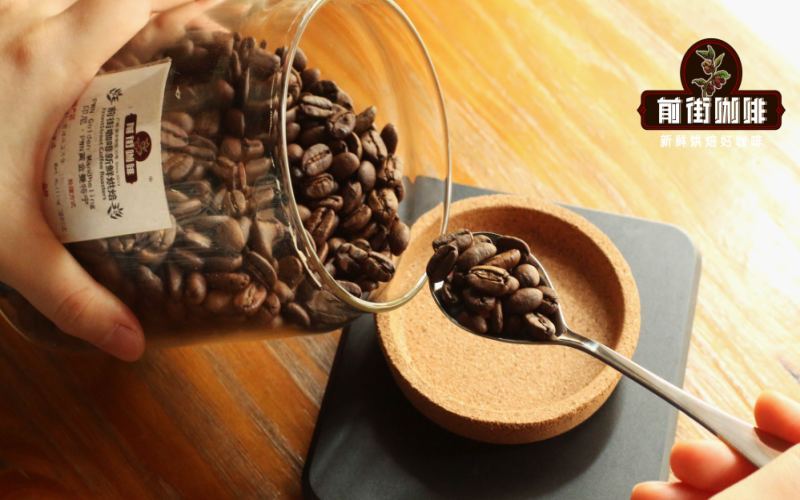
How to Hand-Brew 15g, 20g, and 30g Coffee Grounds? A Guide to Coffee-to-Water Ratios and Filter-Cup Adjustments for Four Servings
The choice of coffee dose for pour-over seems simple, but in reality it involves multiple coordination factors: the dripper model, the number of drinkers, and the pouring rhythm. Front Street Coffee's daily demonstration uses 15g of coffee as the baseline, but in actual brewing, doses that are multiples of 6 such as 12g, 18g, and 24g, doses that are multiples of 5 such as 15g, 20g, and 25g, and even 16g each have their own adherents. Behind different doses lie different reasoning logics—some start from the volume of brewed coffee, some compromise based on the dripper's recommended value, and others aim for easier calculations during pulse pouring. This article will focus on three typical doses—15g, 20g, and 30g—explaining the brewing approaches suited to each, and providing adjustment suggestions for dose, water amount, and dripper selection in a four-person pour-over scenario, helping you achieve consistent results even when sharing with multiple people. [more…]
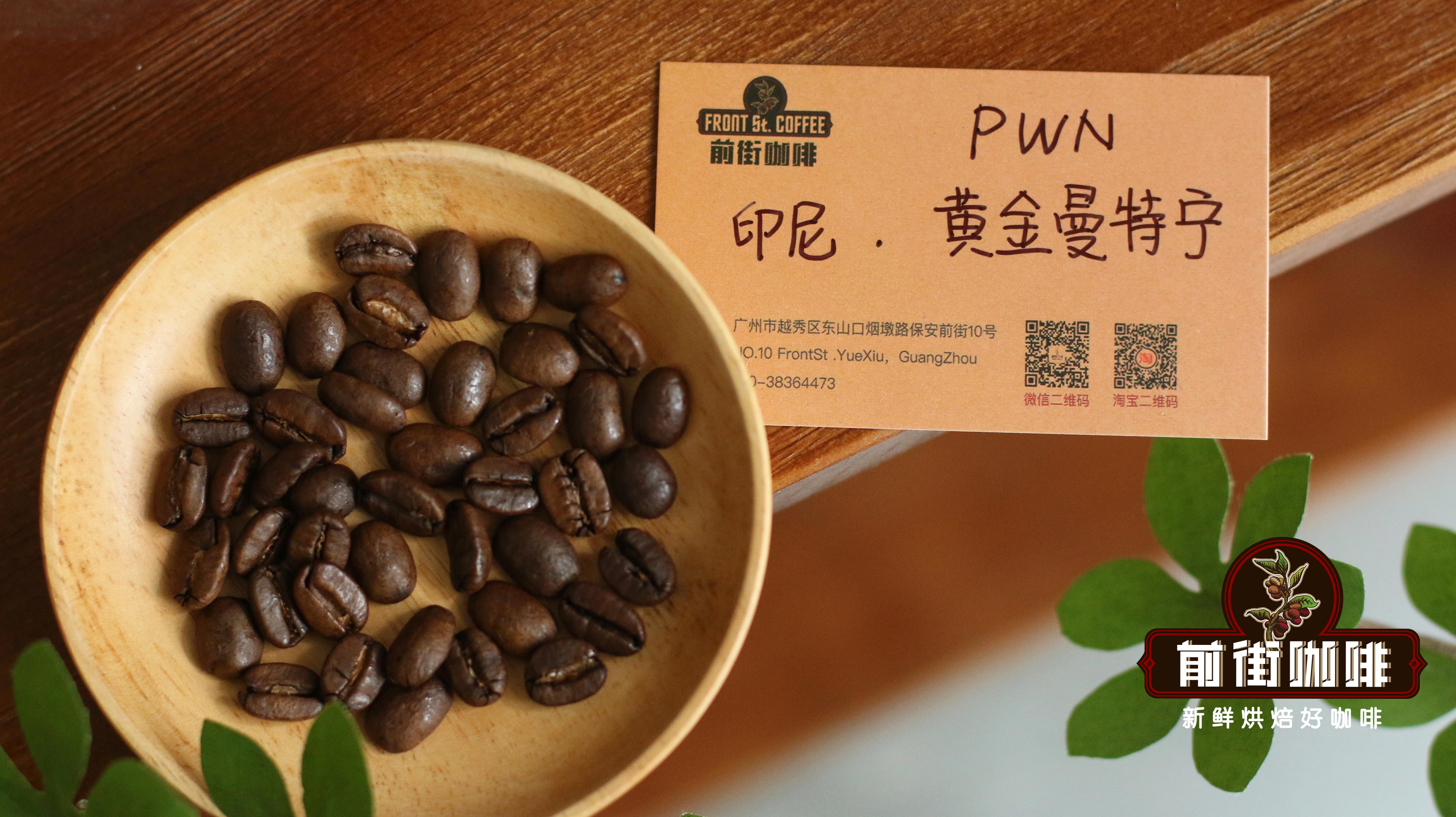
A Complete Guide to the Flavor Analysis and Pour-Over Parameters of Indonesian PWN Golden Mandheling
Mandheling is renowned for its full-bodied richness, and the Golden Mandheling produced by Indonesia's PWN is the benchmark among them. After Front Street Coffee added this bean to its menu, it has remained the top recommendation for espresso lovers. Starting with the wet-hulling process, this article analyzes the source of Golden Mandheling's unique flavor, and around key steps such as grind size, brewing water temperature, dripper selection, and pulse pouring, it breaks down in detail the Front Street Coffee baristas' pour-over approach, helping you preserve the spice and herbal notes while avoiding bitterness, and brew a clean cup of Golden Mandheling with a sweet aftertaste and rich layers. [more…]
Home Pour-Over Guide to Papua New Guinea Bird of Paradise Coffee Beans: A Complete Parameter Breakdown from Bean Selection to Extraction
Many coffee enthusiasts encounter a common puzzle when trying their hand at pour-over: even when they follow tutorials to the letter, the cup tastes wildly different every time. There are countless variables that affect pour-over flavor—so which steps truly determine success or failure? Drawing on the hands-on experience of Front Street Coffee, this article uses Papua New Guinea Bird of Paradise coffee beans as an example to systematically lay out the parameters worth paying attention to when brewing a good cup at home. It covers the bean variety's background and the producing region's characteristics, the logic behind choosing a roast level, how to adjust grind size, water temperature settings, dripper pairing, and pulse-pouring techniques, helping readers build a clear pour-over framework and reducing the frustration of brewing by luck. [more…]
Complete Guide to Coffee Varieties and Flavor Comparison: From Typica and Bourbon to Geisha
The world of coffee varieties is intricate and diverse, with over 500 species of coffee trees globally and as many as 6,000 varieties. However, those with real commercial value and widespread cultivation are mainly concentrated in the two major systems: Arabica and Robusta. Front Street Coffee has systematically sorted out the origins, characteristics, and flavor profiles of major varieties and their mutations, from Typica and Bourbon to Geisha, while also introducing the cupping characteristics and brewing parameters of classic regional coffees such as Mandheling, Blue Mountain, and Kona. Through a combination of text and images, this article helps coffee enthusiasts build a clear understanding of the relationship between coffee varieties and taste. Whether you are a novice just starting out or a seasoned enthusiast, you will find practical reference information here. [more…]
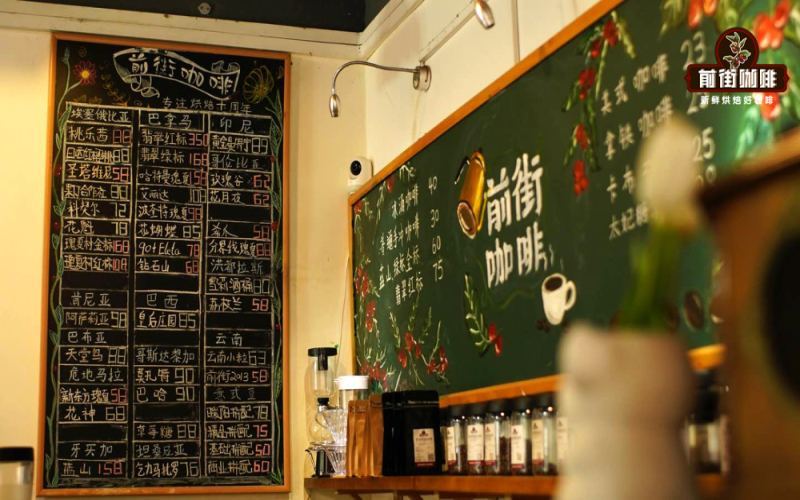
Exploring Panama's Four Major Specialty Coffee Estates: The Volcanic Terroir and Geisha Legend of Boquete
Although Panama is a small country, its unique geography and microclimates have made it a benchmark for specialty coffee worldwide. From Hacienda La Esmeralda in Boquete to Hacienda Hartmann in the Volcán Valley, every patch of land nurtures astonishing flavors. This article will guide you through the cultivation history, estate stories, and cup profiles of Panama's four major coffee-producing regions, and share Front Street Coffee's insights on roasting and brewing precious varieties such as Geisha and Typica. Whether you are a beginner coffee enthusiast or a seasoned connoisseur in pursuit of ultimate flavors, you will feel the extraordinary charm of Panamanian coffee. [more…]